Most shoppers get sold one number: PSI. The box shouts it, the listing repeats it, and the machine still leaves a gray film on the driveway after an hour of work. Pressure is how the water feels on your hand. Flow is what actually lifts dirt off concrete, and when you are weighing gas and electric pressure washers against each other, the flow rating, the detergent system, and the quality of the wand and hose decide whether the job takes one afternoon or three.
This guide compares six products: four complete machines split between gas and electric power, one compact electric unit built for light duty, and one hose upgrade that solves the most common complaint about the gas machines here. Every rating below comes from published product specifications rather than a timed job test, so treat the numbers as a starting point and your own driveway as the final judge.
Related: How to Choose the Right Pressure Washer Nozzle
Quick answer
The Westinghouse ePX3100 Electric Pressure Washer is the strongest fit for most home cleaning jobs because it pairs a 2300 max PSI rating with 1.76 max GPM, an onboard soap tank, a pro-style steel wand, and a five-nozzle set, all in a unit with anti-tipping technology that suits cars, fences, driveways, and patios. Choose the Simpson Water Blaster 4400 PSI Gas Pressure Washer instead when you need the highest flow and pressure ratings in this group for heavy, repeated outdoor work.
Pressure washers and hose upgrades worth comparing
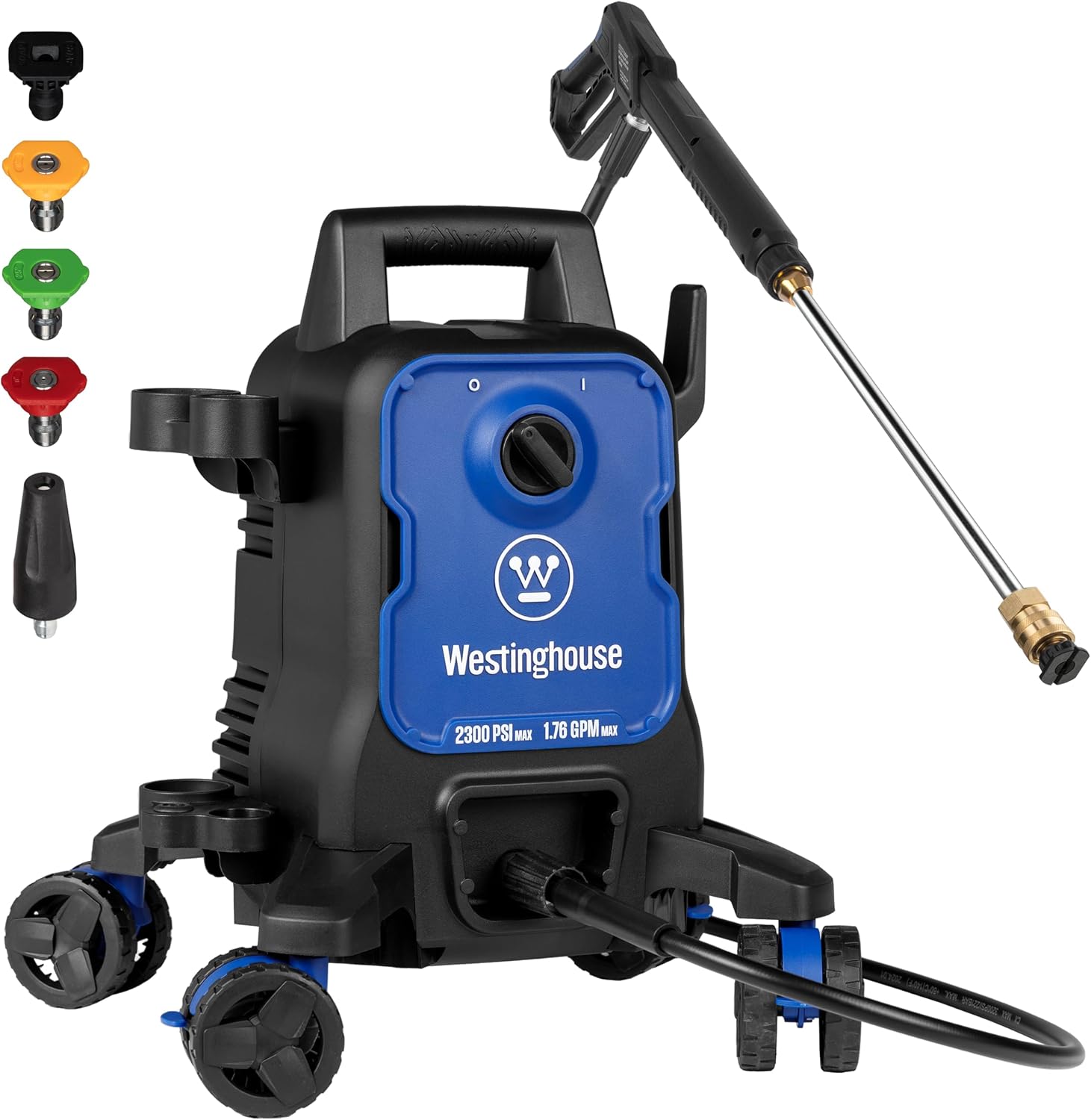
Westinghouse ePX3100 Electric Pressure Washer, 2300 Max PSI 1.76 Max GPM with Anti-Tipping Technology, Onboard Soap Tank, Pro-Style Steel Wand, 5-Nozzle Set, for Cars/Fences/Driveways/Home/Patios
Rated at 2300 max PSI and 1.76 max GPM, this electric unit adds anti-tipping technology, an onboard soap tank, a pro-style steel wand, and a five-nozzle set for cars, fences, driveways, home exteriors, and patios.
Visit on Amazon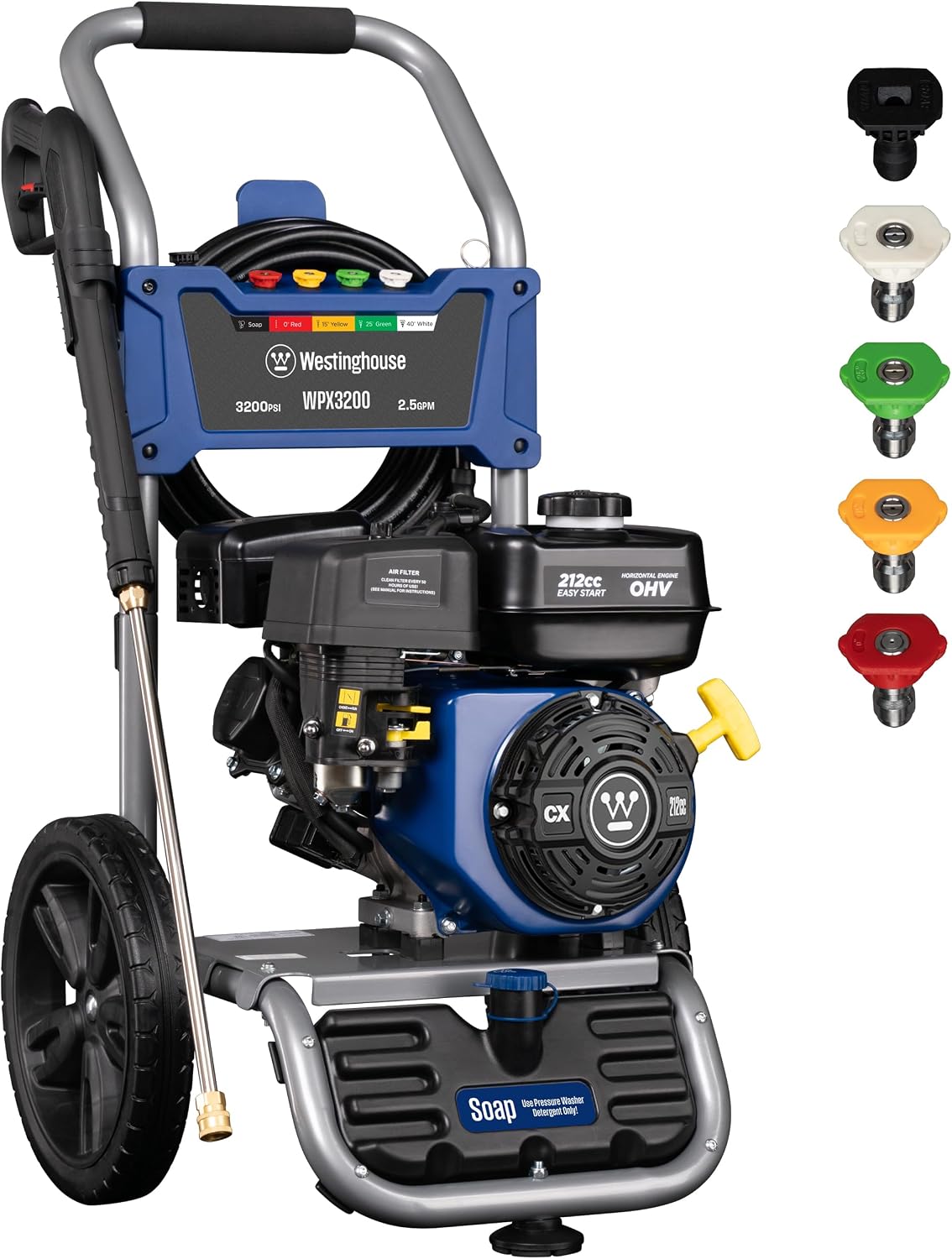
Westinghouse WPX3200 Gas Pressure Washer, 3200 PSI and 2.5 GPM, Onboard Soap Tank, Spray Gun and Wand, 5 Nozzle Set, for Cars/Fences/Driveways/Homes/Patios/Furniture
Gas pressure washer rated at 3200 PSI and 2.5 GPM with an onboard soap tank, a spray gun and wand, and a five-nozzle set intended for cars, fences, driveways, homes, patios, and furniture.
Visit on Amazon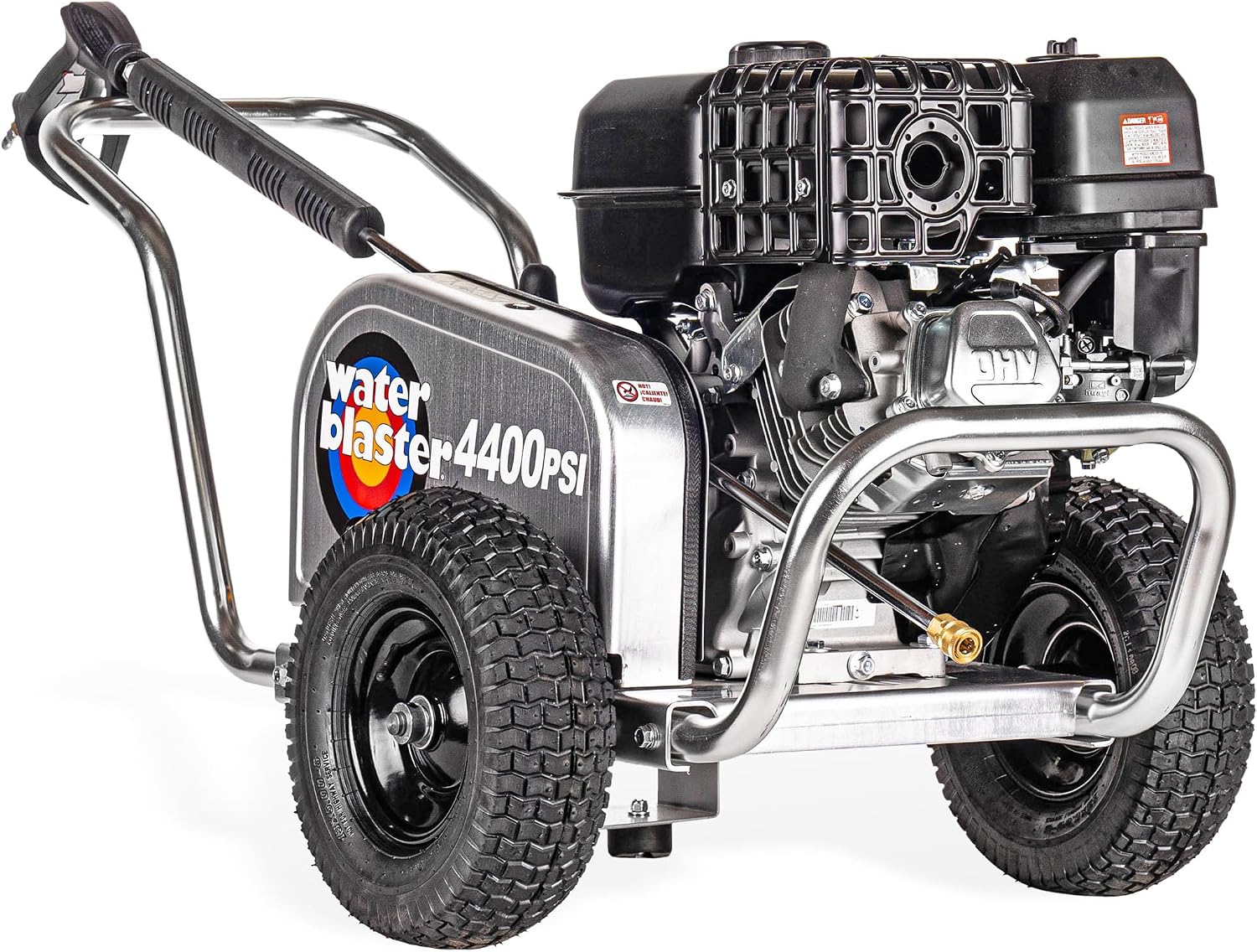
Simpson Water Blaster 4400 PSI Gas Pressure Washer, 4.0 GPM, CRX 420 Engine
The highest ratings in this group: 4400 PSI and 4.0 GPM from a CRX 420 engine, aimed at heavy outdoor cleaning where flow matters more than a number on a box.
Visit on Amazon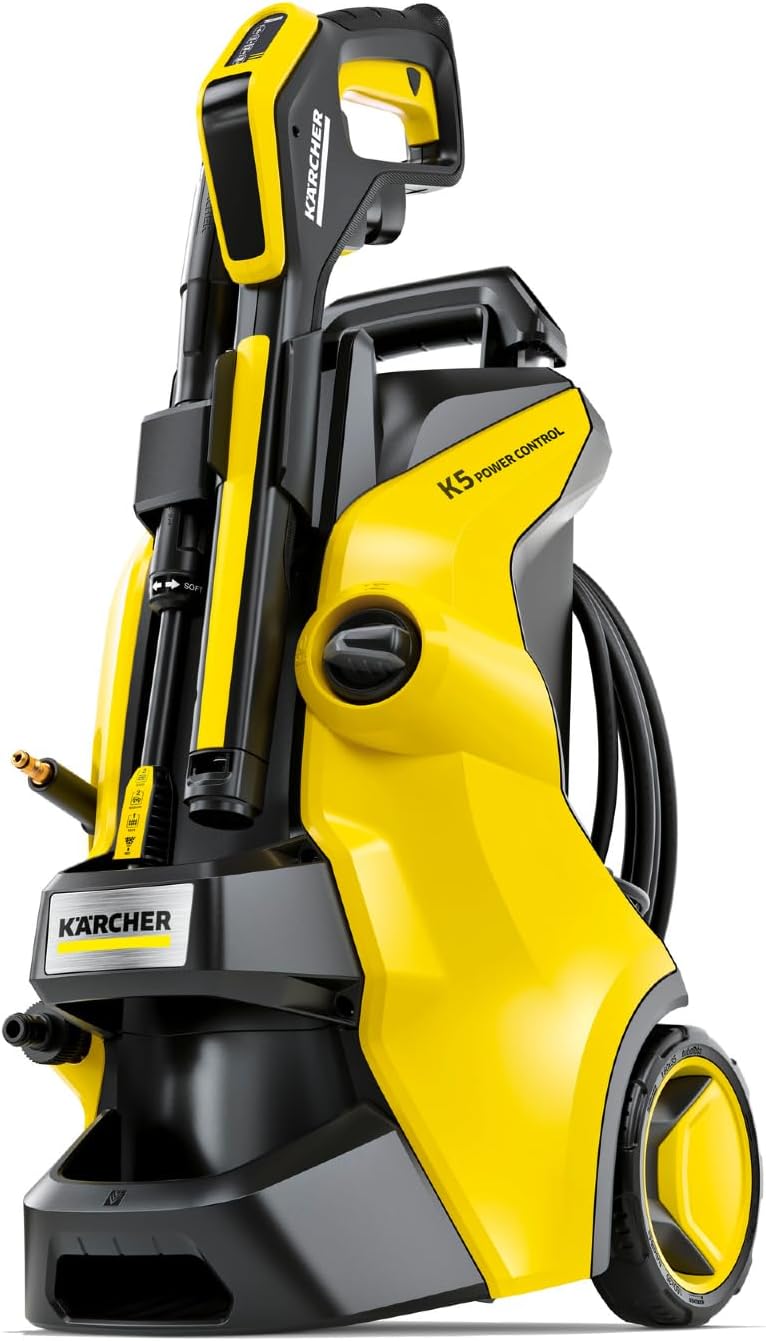
Kärcher Pressure Washer, K5 Power Control, Max 2500 PSI, 32 ft. Hose, 2 Spray Wands - 1.55 GPM
Check current Amazon price
Kärcher K5 Power Control rated at a max 2500 PSI and 1.55 GPM, supplied with a 32 ft hose and two spray wands, the most flexible wand setup in this group.
Visit on Amazon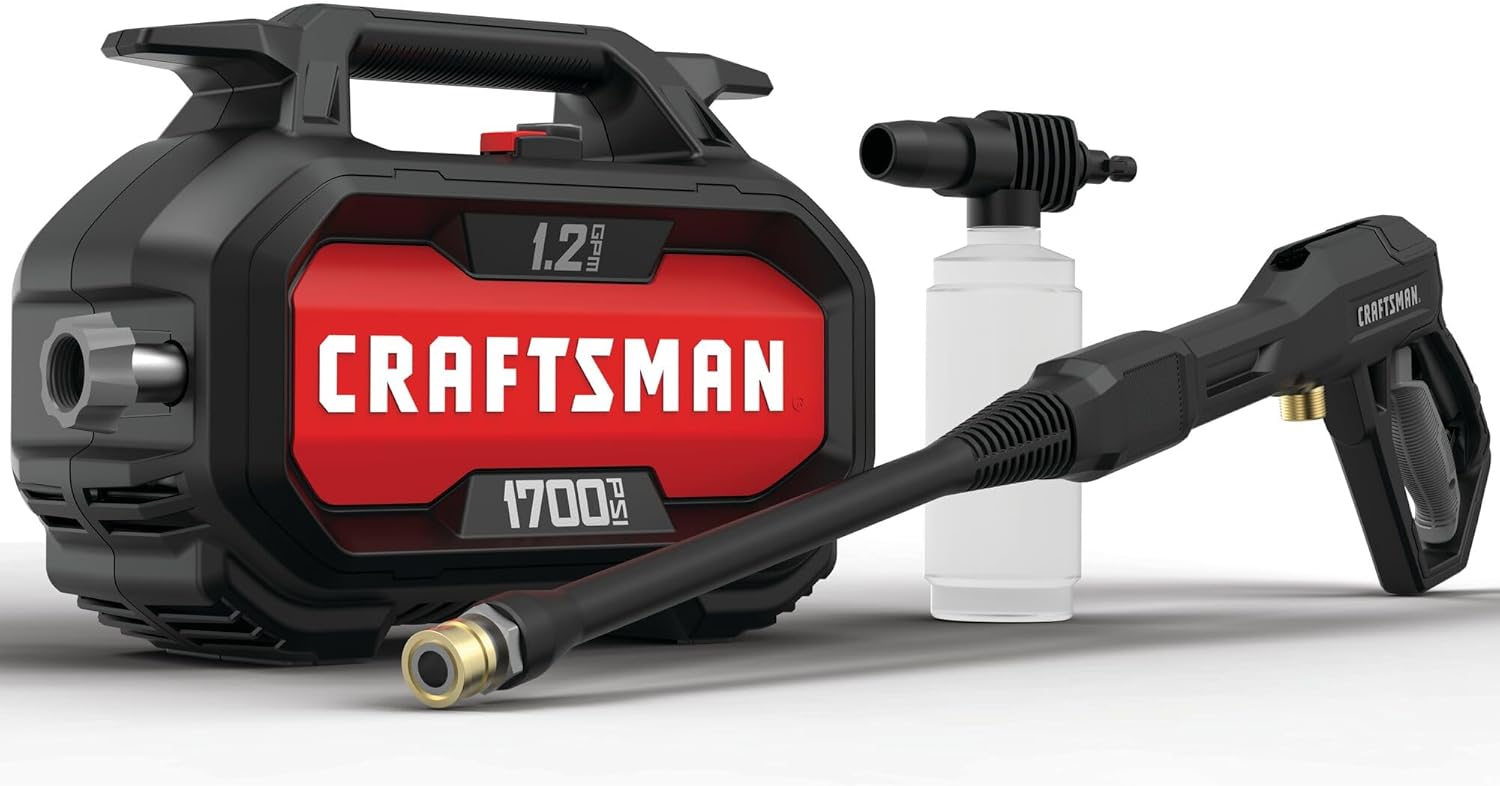
CRAFTSMAN Electric Pressure Washer, Cold Water, Lightweight Corded Power Washer for Cars, Driveways, Patio and Garage, Powerful 1700-PSI, 1.2-GPM, Compact, Easy to Use (CMEPW1700)
Compact corded electric washer rated at 1700 PSI and 1.2 GPM, sized for cars, driveways, patios, and garage floors where a light, easy-to-store unit makes sense.
Visit on Amazon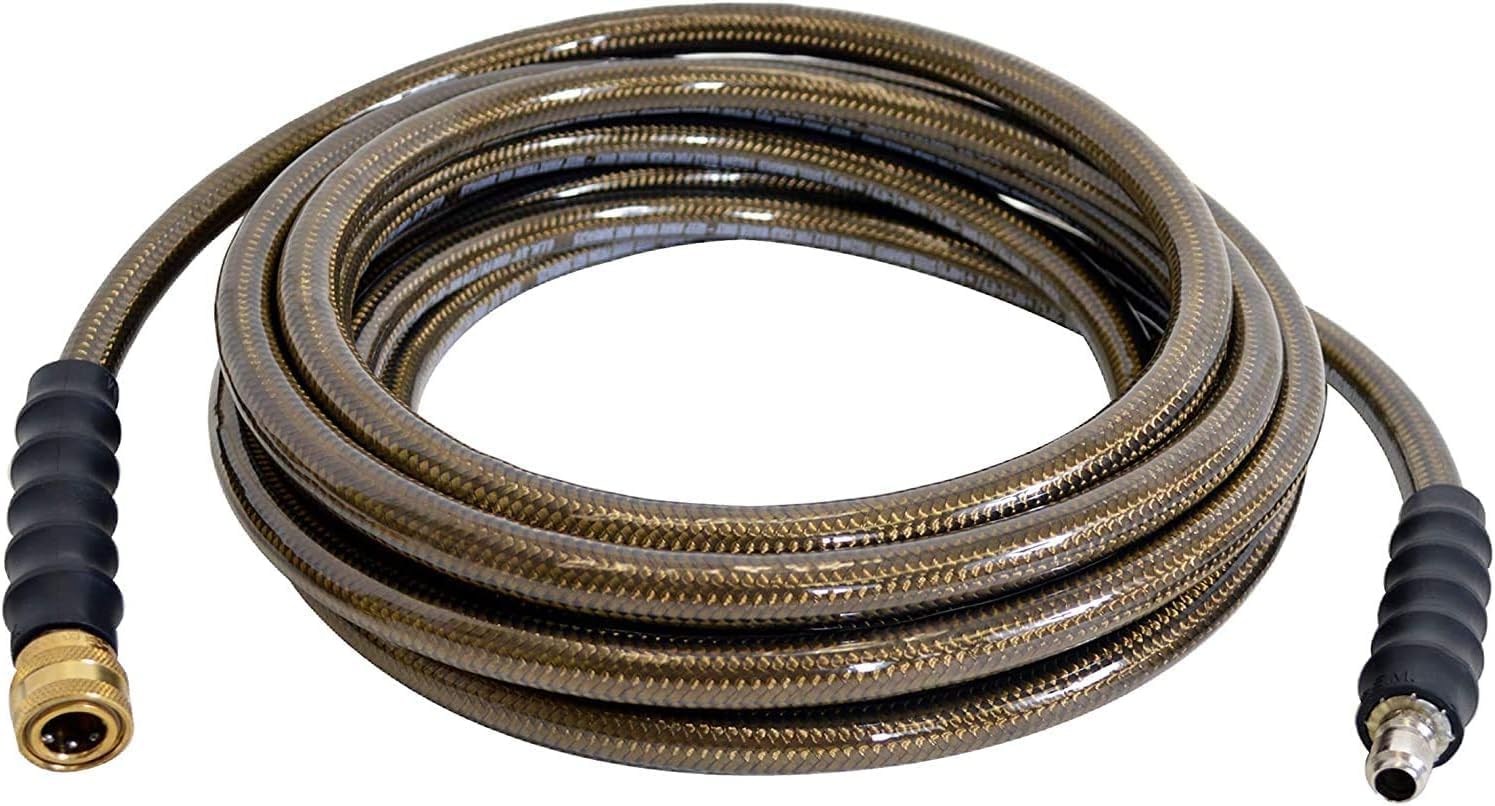
Simpson 50ft, 3/8" 4500 PSI Monster Cold Water Pressure Washer Hose, 41028
A 50 ft, 3/8 inch cold water hose rated to 4500 PSI, an upgrade part for replacing a short or kink-prone factory hose rather than a complete machine.
Visit on AmazonPrices and availability may change. Check the retailer for current details.
How these products were compared
This guide compares rated flow in gallons per minute, rated pressure in PSI, the detergent system, wand and hose quality, and power source with the portability and maintenance it demands. Every card is tied to a single product record, so the name, image, and retailer link on each card point to the same machine.
Where a figure is published by the manufacturer, it is quoted as a rating rather than a measured result. Nothing here should be read as a timed test of cleaning performance, and no claim is made about durability beyond what the listed specifications support.
How to choose the right pressure washer
Start with the flow rating, not the pressure rating. The Westinghouse WPX3200 gas unit is rated at 2.5 GPM, the Simpson Water Blaster at 4.0 GPM, the Westinghouse ePX3100 electric at 1.76 GPM, the Kärcher K5 at 1.55 GPM, and the CRAFTSMAN CMEPW1700 at 1.2 GPM. Those gaps matter more than the PSI spread, because moving water is what carries dirt away. A 1.2 GPM machine will rinse a car and clean a patio, but on a long driveway you will feel every minute of the difference, and no nozzle swap fully closes that gap.
Next, decide the power source honestly. Gas units like the WPX3200 and the Water Blaster deliver more flow and never run out of cord, but they need fuel, oil checks, and a higher tolerance for noise. Electric units like the ePX3100, the Kärcher K5, and the CRAFTSMAN plug in, start with a trigger pull, and store smaller. If you clean a car and a patio a few times a year, electric is the simpler life. If you clean a boat hull or a two-car driveway weekly, gas earns its keep.
Then look at the details that decide daily annoyance: detergent draw, wand quality, and hose length. The ePX3100 and the WPX3200 both carry onboard soap tanks, so you can apply detergent without a separate bottle and siphon tube. The Kärcher K5 includes two spray wands and a 32 ft hose, the longest hose in this group. The Simpson Monster hose is a 50 ft, 3/8 inch replacement rated to 4500 PSI for anyone whose factory hose kinks every few feet. If flatwork is the main job, a surface cleaner attachment changes the result more than any upgrade to the machine itself.
Westinghouse ePX3100 Electric Pressure Washer
The ePX3100 is the pick here because it covers the widest range of household jobs without asking much in return. It is rated at 2300 max PSI and 1.76 max GPM, which puts it above the Kärcher K5 and the CRAFTSMAN CMEPW1700 on flow while staying electric. The onboard soap tank handles detergent application, the pro-style steel wand is a step up from the plastic wands common at this level, and the five-nozzle set covers the usual spread from a narrow pencil stream to a wide fan. Anti-tipping technology addresses the stability problem that makes light electric units irritating to drag around a corner.
The trade-off is flow and freedom from cords. At 1.76 GPM it moves less water than the 2.5 GPM WPX3200 and far less than the 4.0 GPM Water Blaster, so large flat surfaces take longer, and you are working within reach of an outlet. If your jobs are a car, a patio, siding, and a fence, that is a fair trade. If they are a driveway and a boat every weekend, it is not.
Alternatives to consider
The Westinghouse WPX3200 Gas Pressure Washer is better suited to a household that wants gas power without the biggest machine, since it is rated at 3200 PSI and 2.5 GPM with an onboard soap tank, a spray gun and wand, and a five-nozzle set intended for cars, fences, driveways, homes, patios, and furniture. The Simpson Water Blaster 4400 PSI Gas Pressure Washer is a stronger fit when flow is the whole point: 4.0 GPM from a CRX 420 engine is the highest rating in this group.
The Kärcher K5 Power Control, the CRAFTSMAN CMEPW1700, and the Simpson 50 ft Monster hose cover the other three cases. The Kärcher K5 brings a max 2500 PSI rating, a 32 ft hose, and two spray wands, which is the most flexible wand setup here. The CRAFTSMAN is the compact, lightweight corded option at 1700 PSI and 1.2 GPM, best kept for cars, patio furniture, and garage floors where low flow is not the limiting factor. The Monster hose is the fix for a gas washer owner whose factory hose is too short or kinks under load.
Day-to-day use and maintenance
Whatever you buy, the routine is the same. Flush the detergent system after every soap job, because dried detergent is the fastest way to clog a draw tube. Coil the hose without kinks and store it out of direct sun, since UV does more damage to a rubber hose than any single job. On gas units, check oil before each session and never run the engine without water flowing through the pump. On electric units, use a grounded outlet with GFCI protection and keep the cord out of standing water.
Cold weather is where machines die. If you live somewhere that freezes, run the pump dry and pull the trigger briefly to clear residual water before storing the unit, or use a pump saver. A cracked pump housing from frozen water is an expensive repair. Nozzles are the other cheap failure point: rinse them after use, and keep a pencil nozzle away from paint, siding, and a car's clear coat at close range.
Buying checklist
- Measure the longest run of flatwork you plan to clean, and match the flow rating to that job rather than to the PSI number on the box.
- Choose gas or electric based on how often you clean and how far you are from an outlet, not on the largest figure in the listing.
- Confirm that the exact model includes the detergent system you need, whether that is an onboard soap tank or a siphon tube.
- Check the wand and hose specifications, because those decide how the machine feels in your hands on every job.
- Read the cleaning and maintenance instructions, especially the winterizing steps for your climate.
- Verify the current retailer price, availability, and return terms before you commit.
Final recommendation
Choose the Westinghouse ePX3100 Electric Pressure Washer when your jobs are cars, patios, siding, fences, and furniture, and you want 1.76 GPM of flow with an onboard soap tank and no fuel or oil to manage. Choose the Simpson Water Blaster 4400 PSI Gas Pressure Washer when you clean large flat areas or a boat regularly and need the highest flow and pressure ratings in this group. If you land between those two, the Westinghouse WPX3200 is the middle ground at 2.5 GPM, and if your only real complaint is a short, kink-prone hose, the Simpson 50 ft Monster hose is the cheaper fix.