Related: Pressure Washer Hose Replacement
Well, the first question everyone asks when the spray turns into a sad little drizzle is usually about the pump. But the real question is why a machine that was blasting grime off the driveway last weekend is now wheezing like my 70-pound lab Rosie after she chased a squirrel.
I've been running a mobile detailing business for 12 years, and I've fixed more pressure washers than I care to count, including my own Simpson Megashot that I forgot to winterize (that was a $150 mistake I still feel in my wallet).
Here's the honest truth: 90% of the time, "not building pressure" is a simple fix you can do in your driveway with basic tools.
The other 10% is a pump replacement that costs more than the machine is worth.
Simpson Megashot 3200
Honda GC190 engine, CAT pump, 4 years of abuse and still runs
Stock hose is mediocre, cheap wheels
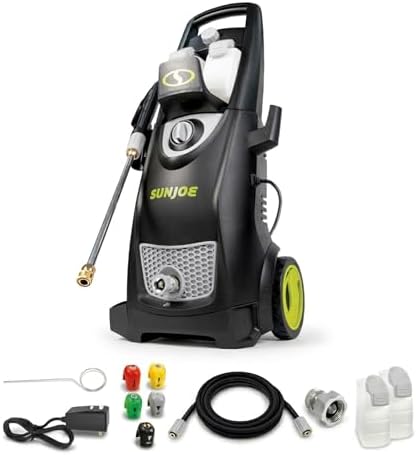
Sun Joe SPX3000
Cheap, works for light jobs, detergent system actually draws soap
Dies after 2 years, axial pump is a countdown timer

fullas Rui Xing Carburetor 308054123 for Ryobi 1800/2300 Inverter Generator |...
Starts and runs, fine for occasional use
Hose kinks, pump is meh, wheels useless off flat concrete
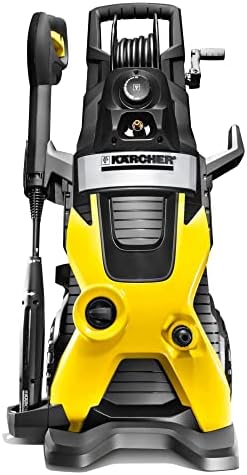
Kärcher K5
Good pressure for an electric, decent customer service
Plastic gun feels like a toy, cheap fittings
Prices and availability were captured from Amazon Creators API and may change.
Before you tear anything apart, let's talk about what "not building pressure" actually means. I've seen three scenarios in my years doing this: the spray is weak but steady, the spray surges and sputters, or nothing comes out except a dribble. Each one points to a different culprit.
The most common cause is something dumb. Air in the line. A kinked hose. A clogged nozzle. I can't tell you how many times I've driven 40 minutes to a job site, fired up the washer, and watched it sputter because the guy's garden hose had a twist in it. Check the obvious stuff first. It's not glamorous, but it's free.
After that, you're looking at the unloader valve, the inlet filter, or the pump oil. These are the three parts that fail on every axial pump unit I've owned or fixed. The unloader valve is the little brass fitting that recirculates water when you release the trigger.
If it's stuck, you get pressure spikes or no pressure at all. The inlet filter is that little screen where the garden hose connects.
If it's clogged with sediment, the pump starves for water. And if the pump oil looks like chocolate milk, you've got water in the pump, which means a blown seal.
Fix #1: The Unloader Valve (The Most Common Problem)
Here's the deal with the unloader valve. It's designed to sense when you release the trigger and divert water back to the pump inlet. When it works, you get consistent pressure. When it sticks, you get sputtering, surging, or a complete loss of pressure.
I had a Ryobi 2300 that did this to me back when I was starting out. The pressure would build, then drop, then build again. I thought the pump was toast. Turns out the unloader was just gummed up with hard water deposits. I pulled it off, soaked it in vinegar for an hour, and it worked like new.
The fix is straightforward. Locate the unloader valve, usually near the pump head where the wand connects. Remove it with a wrench, check the spring and piston for debris, clean it with a mild solvent, and reassemble. If the spring is broken or the piston is scored, replacement valves run about $20 to $40. That's a lot cheaper than a new pump.
Fix #2: Clogged Nozzles and Tips
You'd be surprised how often this is the answer. The tip on your wand is a precision piece of metal with a tiny hole. That hole is what creates the pressure. If it's clogged with hard water scale, dirt, or a piece of debris that got past the inlet filter, you lose pressure fast.
The 0-degree nozzle, what I call the flamethrower, is the worst offender. That tiny hole clogs constantly. I carry a pack of nozzle cleaning needles in my van, the little wire tools that look like dental picks. Thirty seconds to clean a tip, and you're back in business.
Here's a trick I learned the hard way. Don't just look at the tip. Take it off and inspect the O-ring. If that little rubber ring is worn or cracked, you're losing pressure right there. A pack of assorted O-rings costs $5 at any hardware store. Replace them once a season and you'll avoid most pressure issues.
Fix #3: The Inlet Filter and Water Supply
This one sounds too simple, but it's the second most common issue I see. The inlet filter, that little brass screen where your garden hose connects, collects sediment, sand, and scale. When it clogs, the pump can't draw enough water, and you get sputtering or low pressure.
I've also seen people run their washer off a garden hose that's too small. You need at least a 5/8-inch hose with a decent flow rate. A 1/2-inch hose or a hose with a kink will starve the pump. And if you're drawing from a rain barrel or a tank, you need a good inlet filter or you'll be cleaning that screen every ten minutes.
The fix is simple. Unscrew the inlet fitting, pull out the little screen, rinse it in clean water, and put it back. If the screen is torn or corroded, they cost about $10 to replace. Do this every few months and you'll extend the life of your pump significantly.
Fix #4: Pump Oil and Seals
Now we're getting into the serious stuff. If you've checked the unloader, the nozzle, and the inlet filter, and you still have no pressure, you're looking at the pump itself. The first thing to check is the oil.
On most pumps, there's a sight glass or a dipstick. If the oil looks milky or cloudy, you've got water in the pump. That means a blown seal. On an axial pump, which is what you'll find on just about every unit under $400, a blown seal is usually terminal. Replacing the pump costs $150 to $200, which is basically the price of a new cheap unit.
On a CAT pump, which is what the Simpson Megashot runs, you can rebuild the seals. A rebuild kit runs about $40 and takes an afternoon. But here's the thing: if you're running a pump that's blown a seal, you probably didn't winterize. I've been there. I left my Simpson in the van over a cold snap, and come spring, the pump sounded like gravel. That was a $150 lesson.
The fix for the future is pump saver. Run it through the system before storage. It coats the seals and prevents them from drying out and cracking. It's $10 a bottle, and it's the cheapest insurance you'll ever buy.
Fix #5: The Engine (If It's a Gas Unit)
If the pump is fine but the pressure is still weak, the problem might be the engine. On a gas unit, if the engine is sputtering or bogging down, it's not turning the pump fast enough to build pressure. Check the air filter, the fuel, and the spark plug.
I've seen a dirty air filter cause a 20% drop in pressure. It's a five-minute fix. And stale fuel is a killer. Gas that's been sitting for months loses its volatility, and the engine runs rough. Drain the tank and run fresh fuel if you suspect this.
On my Simpson with the Honda GC190, this is rarely an issue. The Honda engine starts first pull even after sitting for months. It just runs. That's why I tell everyone to buy the Honda. The Chinese engines on cheaper units are the ones that sputter and bog down on a hot day.
The Verdict on Prevention
Here's the bottom line. Most pressure washer pressure problems are caused by neglect, not manufacturing defects. Clogged tips, gummed up unloaders, and dirty inlet filters account for most of the issues I've fixed over the years. These are all simple, cheap repairs that take minutes.
The expensive problems, the blown seals and dead pumps, are almost always caused by not winterizing. I can't say this enough. Either run antifreeze through it or plan to replace the pump come spring. There's no third option.
If you're looking for a unit that won't give you these problems, the Simpson Megashot with the Honda GC190 and CAT pump is the one I tell everyone to buy. It's not the cheapest, but it's the difference between a tool and a toy. The Honda engine starts first pull. The CAT pump is what the pros run. And if you take care of it, it'll outlast three cheap electrics.
If you're on a budget and you know you'll only use it a few times a year, the Sun Joe SPX3000 at $120 is fine. It'll die after two years, but at $120, you got your money's worth. Just don't expect it to handle a full driveway without cursing.
And if you're in the market for a new washer, budget $60 for a 50-foot Flexzilla hose. The stock hose on most units is garbage. That's the first upgrade you should make, before you even think about the washer itself.
I've spent 12 years spraying everything from daily drivers to 40-foot hulls, and I've learned that a pressure washer is only as good as its maintenance. Check the simple stuff first. Clean the tips, check the unloader, and for the love of everything, winterize your pump.
Do that, and your washer will last longer than you expect. Skip it, and you'll be buying a replacement pump or a new unit sooner than you'd like.
The honest truth? Most pressure washer repairs are simple, cheap, and doable in your driveway. The ones that aren't are the ones you could have prevented with 15 minutes of maintenance. for the parts you need, and get back to spraying.