
How to Use a Pressure Washer: Nozzle, Distance, and Technique
The pressure washer box promises a driveway that looks brand new, but the first time I fired mine up, I gouged a line in my concrete that stayed there for three years. That was 12 years ago, before I started running a mobile detailing business out of a Sprinter van with my 70-pound lab Rosie riding shotgun.
I've since sprayed everything from daily drivers to 40-foot hulls, and I've owned three pressure washers that taught me what works and what leaves you standing in the driveway with a dead machine and a shorter temper.
So here's the short version: using a pressure washer is 20% machine and 80% nozzle, distance, and technique. The guy with a ~$120 electric who knows his angles will out-clean the guy with a ~$500 gas unit who just points and squeezes. I'll show you the method I use on every job, from a salty boat hull to a mossy patio.
Simpson Megashot
Honda engine, CAT pump, 4 years and still runs like new
Stock hose is passable, wheels are cheap on gravel
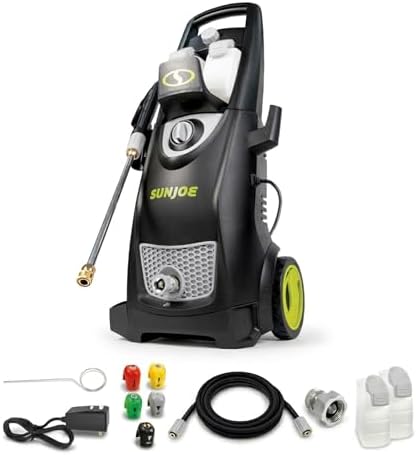
Sun Joe SPX3000
Cheap, detergent system actually draws soap
Dies after 2 years, axial pump is a countdown timer

fullas Rui Xing Carburetor 308054123 for Ryobi 1800/2300 Inverter Generator |...
Starts and runs, fine for light use
Its strength is narrow; the better pick covers more of the job.
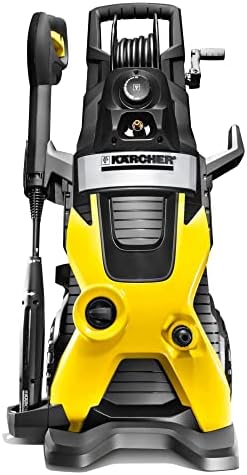
Kärcher K5
Good pressure for an electric
Plastic gun feels like a toy, fittings are cheap
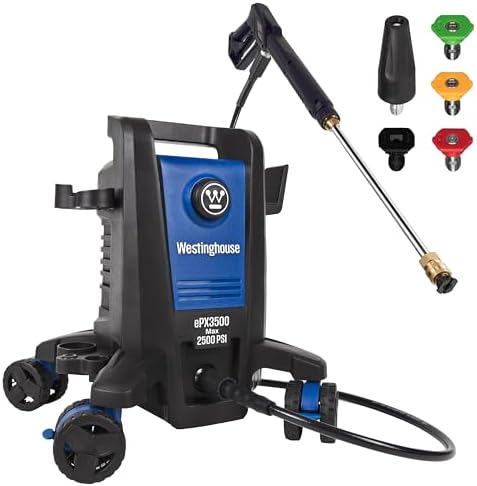
Westinghouse 2500
Quiet, reliable, better build than price suggests
Its strength is narrow; the better pick covers more of the job.
Prices and availability were captured from Amazon Creators API and may change.
The nozzle is where most people go wrong. That 0-degree tip, the one I call the flamethrower, will gouge concrete, strip paint, and turn a wooden deck into a fuzzy mess in about three seconds. I've seen the damage. I've done the damage. My first driveway had a line carved into it that I had to explain to my wife for years.
Here's what I run for most jobs: the 25-degree green tip for general cleaning, the 40-degree white tip for delicate stuff like car paint and windows, and the 15-degree yellow tip for tough grime like oil stains and mildew that's been baking in the sun for a season. The red 0-degree stays in the box unless I'm cleaning something metal that I want to strip bare.
The trick is to test the nozzle on a patch of concrete you don't care about before you start the real job. Hold the wand at a 45-degree angle, about 12 inches away, and squeeze the trigger for a second. If it's etching the surface, back off. If it's not doing anything, move closer. You're looking for the spot where it cleans without cutting.
Distance Is Everything
I tell my customers the same thing every time: the pressure washer is not a fire hose. You don't stand back and blast from 6 feet away. You don't get so close that you're basically sandblasting. The sweet spot is 6 to 18 inches, depending on the surface and the nozzle.
For concrete driveways, I run the 15-degree tip at about 8 to 10 inches with a sweeping motion. For car paint, I'm at 18 inches with the 40-degree tip, and I never let the stream sit in one place. For wood decks, I'm even further back, maybe 24 inches, because the 3200 PSI from my Simpson will eat through a softwood deck like it's butter.
The mistake I see homeowners make is holding the wand still and letting the pressure do the work. That's how you get tiger stripes on a driveway and a bald spot in the lawn where you blasted the grass. You want to keep the wand moving in long, overlapping passes. Think of it like mowing the lawn. You don't stop in the middle of the yard and let the mower sit there. Same deal.
The Angle Matters More Than the PSI
Straight on, 90 degrees, and you're driving water into the surface, which can force moisture behind siding or under shingles. I've seen it happen. A guy on the pressure washing forums posted photos of water damage behind his vinyl siding because he was blasting upward at the seams. Cost him thousands.
You want the stream at a 45-degree angle, sweeping in one direction. For siding, that means washing from the bottom up, so water doesn't get forced up under the panels. For driveways, you're pushing the dirty water ahead of you, not spraying it back onto what you just cleaned. For car detailing, you're working from the top down, letting gravity do half the work.
I picked up this habit from years of detailing. If you spray upward on a car, you're pushing dirt into the gaps around the trim and the mirrors. If you spray at an angle, you're flushing it out. The same logic applies to your house, your deck, and your boat hull.
The Surface Cleaner Shortcut
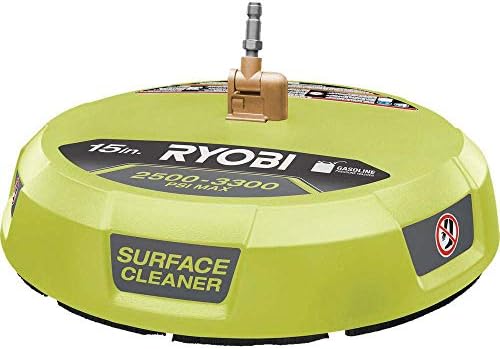
I spent 6 hours on my driveway with a 15-degree nozzle before I bought an ~$80 surface cleaner. I redid it in 30 minutes. I felt like an idiot. Now I tell everyone: skip the wand for flat surfaces, buy the surface cleaner first.
A surface cleaner is a spinning bar with two nozzles that shoots water straight down while you push it like a lawn mower. It doesn't leave stripes, it doesn't gouge concrete, and it cuts your job time by 90 percent. The 15-inch ones are the sweet spot for most driveways. The 20-inch ones are better if you've got a big pad, but they need a higher GPM to spin properly.
The catch is that your washer needs enough flow to drive it. A cheap electric with 1.2 GPM will barely spin a 12-inch surface cleaner. My Simpson Megashot, which does 2.5 GPM, runs a 16-inch unit without breaking a sweat. If you've got the Sun Joe SPX3000 at 1.76 GPM, stick with a 12-inch. It'll still beat the wand.
Detergent: Use It or Waste Your Time
Half the detergent systems on pressure washers are a marketing gimmick. The siphon tube stops drawing soap after 10 minutes, and you're left with a washer that can't soap. I've owned that washer. It's frustrating.
The trick is to apply detergent at low pressure. Most units have a separate nozzle for that, usually a black one, and you want the soap to sit for 5 to 10 minutes before you rinse. If you're blasting at full pressure while you soap, you're just pushing the detergent off the surface before it can work. That's why your driveway still looks dirty after you wash it.
On my Simpson, the detergent system actually works, which is rare. The Sun Joe SPX3000 also draws soap properly, which is more than I can say for some ~$500 units. But if your washer's siphon tube is dead, you can buy a cheap foam cannon or just apply detergent with a garden sprayer before you pressure wash. Same result, half the frustration.
Technique for Specific Surfaces
Here's what I run on the jobs I do every week:
Driveways and sidewalks. Surface cleaner with the 15-degree tips, 8 to 10 inches from the surface, overlapping passes. Pre-treat oil stains with degreaser and let it sit. If you've got a stubborn stain, hit it with the 0-degree flamethrower from 18 inches, but be careful. That thing will etch concrete if you're not paying attention.
Car paint. 40-degree white tip, 18 inches away, working top to bottom. Never let the stream sit in one place. Use a foam cannon for soap, not the built-in detergent system, because most of them leave streaks. Rinse from the top down. I've detailed hundreds of cars this way, and I've never damaged paint with a pressure washer. The damage comes from getting too close or using the wrong tip.
Wood decks. This is where most people ruin something expensive. You need the 40-degree tip at 24 inches minimum, and you need to go with the grain, not against it. Never use a surface cleaner on a wood deck, because it'll leave swirl marks. Pre-treat with deck cleaner, let it sit, then rinse gently. If you're stripping old stain, you can move closer, but test on an inconspicuous spot first.
Boat hulls. I do this after every fishing trip. 25-degree green tip, 12 inches away, working from the waterline up. Salt residue comes off easy if you don't let it bake in the sun for a week. If you've got barnacles, you're going to need a scraper and a lot more patience, but the pressure washer will handle the loose stuff.
The Maintenance That Saves Your Pump
I forgot to winterize my Simpson one year. The pump replacement cost me ~$150, and I still don't want to talk about it. That's the price of a new cheap electric unit, and I paid it because I was lazy.
Winterizing is a 10-minute job. You run a bottle of pump saver through the system, or you use RV antifreeze, and you store it with the water drained. That's it. If you skip it, the water left in the pump freezes, expands, and blows a seal. Come spring, you'll hear the sputtering, and then nothing. The pump is dead.
I also check the oil on my gas unit every time I use it. The Honda GC190 on my Simpson takes about 10 seconds to check, and it's the difference between a machine that lasts 8 years and one that seizes mid-job. The axial pump units are a countdown timer no matter what you do, but a CAT pump with regular oil changes will outlive your desire to wash your driveway.
What I'd Buy Today
If you're starting from scratch and you want to learn how to use a pressure washer without replacing it every two years, I'd skip the electrics entirely and go straight to the Simpson Megashot with the Honda GC190.
It's ~$450, it starts first pull every time, and the CAT pump is what the pros run. Mine's been going for four years and it still sounds like the day I bought it.
The stock hose is passable, not great, so budget ~$60 for a 50-foot Flexzilla and you're set.
If ~$450 is too much, the Sun Joe SPX3000 at ~$120 is a fine place to learn. It'll die after two years, but at ~$60 a season, that's not a bad deal. Just know that you're buying a disposable tool, and plan to replace it. The pressure is fine for a car and a small patio, but you're going to be out there all day on a driveway.
The Ryobi 2300 gas at ~$299 is the Home Depot special. It's fine if you use it a few times a year, but the hose kinks no matter what you do, and the pump is meh. I started with one of those. It did the job. I just got tired of fighting it.
Skip the Kärcher K5 entirely. The plastic gun feels like a toy, and the fittings are cheap. You shouldn't need good customer service on a unit that shouldn't break in the first place.
The Bottom Line
The nozzle, the distance, and the angle matter more than the machine. Master those three, and you can clean almost anything with a ~$120 electric. Ignore them, and you'll gouge your driveway with a ~$500 gas unit. I've done both. Start with the 25-degree tip, keep the wand moving, and for the love of God, buy a surface cleaner before you spend six hours on your knees with a wand.