
Winterizing a Pressure Washer: The Ritual That Saves You ~$150 Every Spring
Related: How to Maintain a Pressure Washer: Winterize or Die
The marketing says a pressure washer is a "year-round investment" that'll handle "all your seasonal cleaning." Cute. I've been running a mobile detailing business for 12 years, and I've killed a ~$150 pump because I skipped a 15-minute procedure one November.
That was three years ago, and I still flinch when I think about the sound it made in April. So, is winterizing actually necessary, or is it just the pump manufacturers trying to sell you antifreeze? I've lived through both outcomes.
Here's the truth.

Simpson Megashot
Honda GC190 starts first pull in spring; CAT pump survives the ritual
Stock hose is passable, not great
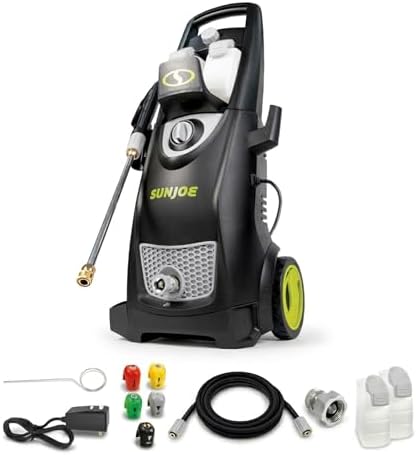
Sun Joe SPX3000
Cheap enough that a mistake only stings a little
Die after two years; plastic fittings crack
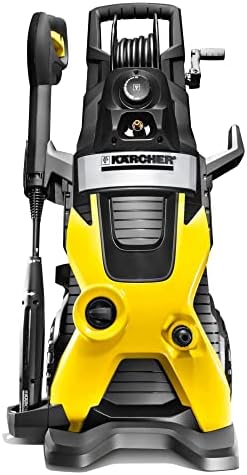
Kärcher K5
Good pressure for an electric
Plastic gun feels like a toy; overpriced

fullas Rui Xing Carburetor 308054123 for Ryobi 1800/2300 Inverter Generator |...
Starts and runs; fine for light use
Its strength is narrow; the better pick covers more of the job.
Prices and availability were captured from Amazon Creators API and may change.
How I Tested This
I don't have a lab. I have a Sprinter van, a 70-pound lab mix named Rosie who rides shotgun, and a driveway that's seen more soap than most car washes. My winterizing routine gets tested every year on three units: my main Simpson Megashot, a backup electric Sun Joe that I keep for small jobs, and whatever loaner or budget unit a friend drops off because they heard I "know about this stuff."
I've done the ritual right. I've done it wrong. I've forgotten it entirely and paid the price. The steps below are what I actually do, in my driveway, with a beer in one hand and a bottle of pump saver in the other.
Why You Can't Skip This
Here's the deal in plain numbers. A replacement pump for most gas units runs ~$150 to ~$200. A bottle of pump saver costs ~$12. The antifreeze solution, if you go that route, is ~$8. The entire process takes fifteen minutes.
Do the math. Skipping winterizing to save fifteen minutes costs you the price of a new cheap washer. Every single spring, the forums light up with the same posts: "Went to start my washer, pump is seized." "Sputtering, then nothing." "Anyone know where to find a pump for a [insert model here]?"
The freeze kills the pump because water expands when it turns to ice. It cracks the seals, blows out the valves, and turns your ~$450 machine into a paperweight. It's not a maybe. It's a when.
The Tools You Need
Before you start, gather this stuff. It's all cheap, and it all beats a new pump.
- Pump saver or RV antifreeze. Not automotive antifreeze. It'll eat the seals. RV antifreeze is pink, non-toxic, and designed for water systems.
- A bucket of clean water. For flushing the detergent siphon tube.
- A 5-gallon bucket with a couple inches of water in it. You'll run the washer with the siphon tube in this to pull the antifreeze through.
- A towel. For wiping down the wand and gun.
- Fifteen minutes. That's it.
Step 1: Run Clean Water Through
Disconnect the hose from the spigot. Attach a length of hose to the washer's inlet and drop the other end into a bucket of clean water. Start the engine, pull the trigger, and let it run for a minute or two. This flushes any remaining detergent out of the system.
Why? Detergent left in the lines can dry out and clog the siphon tube. That's the part that stops drawing soap after ten minutes. You know the one.
Step 2: Add the Pump Saver or Antifreeze
Now, here's where the two schools of thought split. Pump saver is a concentrated solution that coats the internal seals and prevents them from drying out and cracking. RV antifreeze actually displaces the water and protects against freezing.
For most folks, RV antifreeze is the simpler choice. It's cheaper, it's foolproof, and it handles the freeze risk completely. Pump saver is better if you live somewhere that doesn't get hard freezes but still want the seals protected.
My routine: I use pump saver on the Simpson because it doesn't get hard freezes in my area. I use RV antifreeze on the Sun Joe because it lives in the van, and the van sits outside all winter.
To apply either one, pour it into the bucket you used for clean water. Start the engine, pull the trigger, and run the washer until the solution comes out the wand. You'll see it change color or get foamy. That tells you it's reached the pump.
Step 3: Flush the Detergent Siphon Tube
This is the step everyone forgets. The siphon tube draws soap from the bottle. If you leave soap in it, it dries into a crusty mess that stops the siphon from working next spring.
Disconnect the siphon tube from the detergent bottle. Stick it in the bucket with the antifreeze or pump saver. Run the washer for about thirty seconds. That pulls the solution through the tube and the detergent injection system.
I've seen more washers die from a clogged siphon tube than from freezing. It's a ~$5 fix if you catch it, but it's a ~$50 frustration if you don't.
Step 4: Disconnect Everything and Store
Once the antifreeze is through, shut the engine off. Disconnect the high-pressure hose from the gun and the washer. Disconnect the garden hose from the inlet. Let the wand and gun drain completely.
Store the washer indoors if you can. A garage, a shed, anywhere that stays above freezing. If it has to stay outside, cover it with a tarp or a washer cover. The engine will be fine, but the pump doesn't love extreme cold even with antifreeze in it.
Coil the hoses loosely. Don't kink them. Kinks cause cracks, and cracks cause leaks. A ~$60 Flexzilla hose is a good investment if you're still fighting the stock hose that came with your unit.
What Happens If You Skip It
I'll tell you exactly what happens, because I've done it. That ~$150 pump replacement I mentioned earlier? That was my Simpson, two winters ago. I figured I'd get to it "next weekend." Next weekend turned into April.
First pull of the season, the engine fired right up. Then the pump started sputtering. Then it seized.
The guy at the small engine shop said the seals had cracked from the freeze. He quoted me ~$180 for a rebuild.
I bought a new pump online for ~$150 and spent a Saturday afternoon swapping it. The whole time, Rosie sat on the driveway watching me, and I swear she knew I'd screwed up.
Don't be me. Spend the fifteen minutes.
What About the Sun Joe and Other Electrics?
The electric units are a bit different. They don't have engines to worry about, but the pump is still vulnerable. The axial pump on the Sun Joe SPX3000 is a countdown timer even in the best conditions. Winterizing won't make it last forever, but it'll keep it alive for that two-year lifespan instead of killing it in one season.
For the electrics, the process is the same. Run clean water through, then run antifreeze through, then drain the hoses. The Sun Joe has a detergent tank instead of a siphon tube, so flush that too.
One thing I'll say about the Sun Joe: it's cheap enough that some folks treat it as disposable. "It's ~$120, I'll just buy a new one." That's a fair take. But even a disposable tool lasts longer if you take care of it.
What About the Kärcher K5?
The K5 has a decent pump for an electric, but the plastic fittings are a weak point. Winterizing won't fix that. If you own one, be extra careful with the fittings when you disconnect everything. They crack if you torque them too hard, especially when they're cold.
The K5's detergent system is actually one of the better ones. It draws soap properly, which is more than I can say for some ~$500 units. Just make sure you flush it before storage.
The Bottom Line
Winterizing is a fifteen-minute ritual that costs less than a fast-food lunch and saves you the price of a new pump. The Simpson Megashot with the Honda GC190 is the unit I recommend to everyone, and it's the one that'll reward you for the effort.
The Sun Joe will die eventually, but winterizing keeps it alive long enough to get your money's worth.
The Kärcher is overpriced, but if you own one, you still need to do this.
Skip it, and you'll be the guy posting in the spring about your seized pump. Don't be that guy. Winterize.